Expert Tree Planting: Selecting and Caring for the Right Trees Feb 19, 2026
Choosing the right tree for your property involves considering several crucial factors. First, evaluate the climate of your area. Different types of trees thrive in different climates. For instance, if you live in a region with harsh winters, opt for hardy varieties like oak or maple that can withstand extreme temperatures. Next, assess the space available, keeping in mind the eventual height and spread of your chosen tree. For urban or small spaces, opting for a fast-growing tree like a Japanese maple or cherry might be beneficial due to their minimal space requirements.
Another important consideration is the purpose of the tree. Do you want to plant a tree for shade, ornamental beauty, or fruit production? Each tree species comes with its own specific benefits. For instance, birch trees provide wonderful shade and a rustic appeal, while apple trees offer both visual appeal and delicious fruit.
Once you’ve selected the right tree, proper planting is crucial to its survival and growth. Begin by choosing an appropriate location that ensures the tree will receive adequate sunlight and has sufficient root space. When planting, make sure the hole is twice as wide as the root ball but no deeper. This allows roots to spread easily. After placing the tree in the ground, backfill with soil and water thoroughly to remove air pockets.
Regular care and maintenance are key to healthy tree development. Start with proper watering. Young trees need about 15 to 20 gallons of water each week, either from rainfall or supplemental watering. Proper mulching is also important to retain soil moisture, regulate temperature, and prevent weed growth. Apply a two to four-inch layer of mulch around the base of the tree, taking care not to cover the trunk.
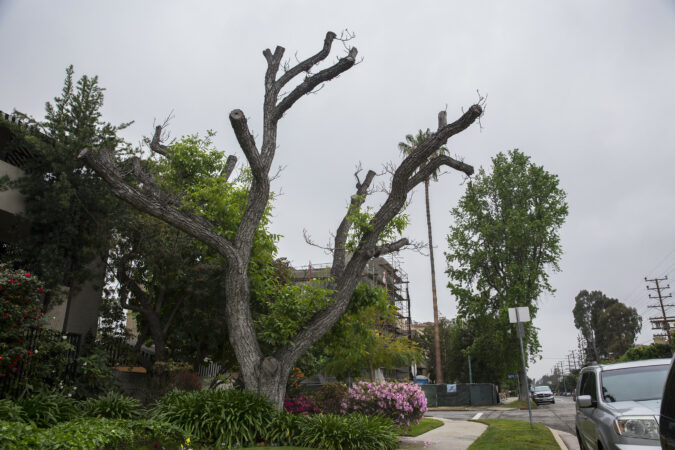
Pruning is another critical aspect of tree care. Regular trimming helps the tree maintain its shape, encourages growth, and prevents disease. Generally, pruning should be done during the dormant season, typically late winter, to minimize stress on the tree. Be sure to use clean, sharp tools to make smooth cuts, which promotes faster healing.
Lastly, trees benefit from periodic health checks. Watch out for signs of pest damage, disease, or nutrient deficiencies. Brown, wilting leaves, or unusual growths can be signs of underlying issues that may require professional intervention. An arborist can offer expert advice and treatment options for trees in distress.
In conclusion, proper tree selection and care are crucial for a successful planting project. While it can initially seem like a daunting task, following these guidelines ensures that your trees grow strong and healthy. Hammons Construction LLC is here to support you every step of the way, from initial consultation to ongoing care. Our expertise ensures that your investment will blossom into a beautiful, enduring fixture on your landscape. Reach out to us today for all your tree service needs and watch your environment flourish.
/filters:no_upscale()/filters:format(webp)/media/c9b508b2-2a90-4454-8517-e6798ab4045e.jpeg)