Innovative Strategies for Tree Preservation in Urban Landscapes Jun 16, 2026
One of the foremost techniques embraced in urban tree preservation is the implementation of advanced planning and design strategies. During the planning stages of a construction project, it is essential to identify the valuable trees that need preservation. This involves conducting a detailed site analysis to assess the health, species, and size of the trees. The data collected helps in making informed decisions about which trees to preserve and how to incorporate them into the design of the development project.
Protecting tree roots is another critical aspect of tree preservation in urban areas. Tree roots can extend well beyond the canopy, making them susceptible to damage from construction activities. To counter this, it is essential to establish tree protection zones that safeguard these roots from compaction and damage. Erecting physical barriers and using advanced techniques like air spading to manage soil and roots can significantly contribute to maintaining the health of trees through construction phases.
The integration of permeable pavements is another innovative solution gaining traction. Urban environments often struggle with impervious surfaces that restrict water and air flow to tree roots. Permeable pavements allow water to penetrate the surface and reach the root systems, thereby helping trees receive essential nutrients. This strategy not only supports tree health but also mitigates stormwater runoff, providing a dual environmental benefit.
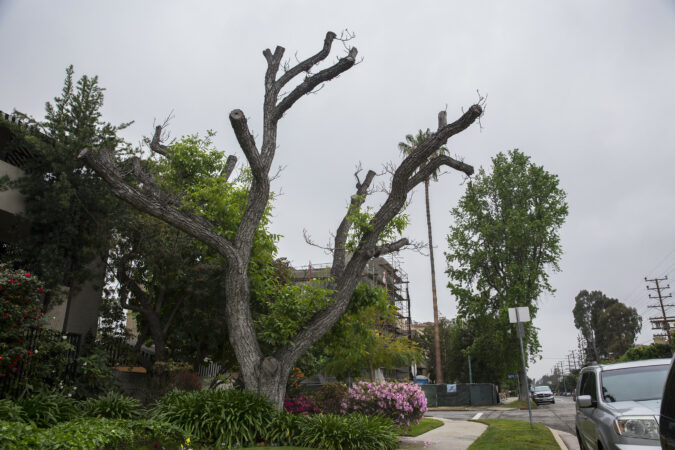
Tree pruning and regular maintenance are indispensable parts of urban tree preservation. Proper pruning techniques must be applied to remove deadwood and maintain structural integrity, which reduces the risk of limb failure. Scheduled maintenance also includes monitoring trees for pest infestations and diseases that can be prevalent in urban settings. Early detection and treatment ensure trees remain healthy and stable, contributing positively to the urban ecosystem.
Another consideration is planting the right tree species for urban environments. Selecting tree species that are adaptable to urban conditions is crucial for their survival and growth. Native species are often preferred because they have adapted to the local climate and soil conditions. Additionally, they tend to require less maintenance and provide habitat benefits to local wildlife.
Community involvement and education play a substantial role in urban tree preservation. Engaging the community through tree planting events and educational campaigns fosters a sense of ownership and responsibility towards green spaces. When residents understand the value of trees and how to care for them, they become active participants in preservation efforts.
Finally, leveraging technology is becoming increasingly common in urban tree management. Using Geographic Information Systems (GIS) and remote sensing tools allows for precise monitoring and mapping of urban forests. These technologies provide valuable data that can guide maintenance efforts and policy-making for tree preservation.
In conclusion, innovative strategies for tree preservation in urban landscapes are essential for sustaining the health of these vital green assets. By implementing advanced planning, protecting roots, using permeable pavements, and choosing native species, urban environments can thrive with the presence of healthy and lush trees. Hammons Construction LLC is committed to using these strategies to ensure that trees continue to enhance the quality of life in urban settings while improving environmental sustainability.
/filters:no_upscale()/filters:format(webp)/media/c9b508b2-2a90-4454-8517-e6798ab4045e.jpeg)