The Impact of Urban Landscaping on Tree Vitality: Best Practices by Hammons Construction Feb 05, 2026
Urban trees face unique challenges due to pollution, limited space, and soil compaction, all of which can impede their growth and vitality. Poor landscaping practices, such as improper soil aeration and inadequate nutrient management, further aggravate these issues. Effective urban landscaping not only addresses these challenges but also transforms them into opportunities for tree flourishing.
One of the primary practices that Hammons Construction emphasizes is ensuring adequate soil quality. Healthy soil is the foundation of robust tree growth as it provides essential nutrients and supports root development. In urban settings, soil often becomes compacted due to pedestrian traffic and construction activities, reducing its ability to absorb water and nutrients. To combat this, regular aeration of the soil around trees is crucial. It enhances water retention and nutrient absorption, fostering a conducive environment for tree roots.
Incorporating organic mulch around the base of trees is another effective strategy employed by Hammons Construction. Mulch helps retain soil moisture, suppresses weeds, and provides essential nutrients as it breaks down. A well-mulched tree not only looks aesthetically pleasing but also enjoys improved health and longevity.
Urban landscaping must also take into account tree diversity. Planting a diverse range of tree species can protect urban landscapes from pests and diseases that might otherwise spread rapidly among a homogenous population. Diversity also ensures resilience against varying climate conditions, making urban forests more robust and adaptive.
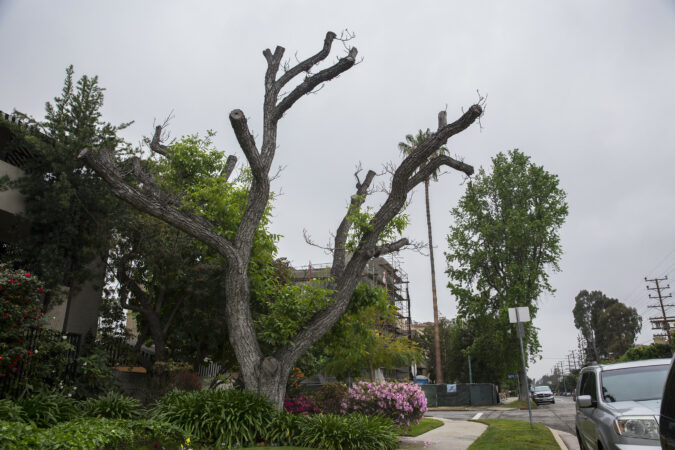
Furthermore, regular tree maintenance practices such as pruning are vital to maintaining tree structure and health. Pruning helps remove dead or diseased branches, enhancing the tree's aesthetic appeal and preventing potential hazards caused by falling limbs. Scheduling regular inspections by certified arborists can catch early signs of disease or infestation, allowing for prompt intervention and prevention of damage.
It is also essential to consider the long-term growth pattern of trees. Planning for the future by assessing the mature height and spread of tree species can prevent conflicts with infrastructure such as power lines and buildings. This foresight can save cities significant costs in potential alterations or tree removal.
In conclusion, the vitality of urban trees is inextricably linked to effective landscaping practices. By focusing on soil health, implementing strategic mulching, promoting biodiversity, and ensuring regular maintenance, urban environments can become oases of greenery amidst the hustle and bustle of city life. At Hammons Construction LLC, our comprehensive approach to urban landscaping sets the stage for healthier, more vibrant trees, contributing not only to the aesthetic allure but also to the ecological sustainability of our urban spaces. As cities continue to grow, let us invest in greener futures through informed and thoughtful landscaping practices.
/filters:no_upscale()/filters:format(webp)/media/c9b508b2-2a90-4454-8517-e6798ab4045e.jpeg)