Why Tree Preservation Should Be a Priority in Urban Development Feb 20, 2026
The significance of trees in urban settings cannot be understated. From improving air quality to enhancing aesthetic appeal, trees serve multiple crucial roles. Urban areas are notorious for high pollution levels, and trees play an essential part in mitigating this issue. They absorb CO2 and other pollutants, releasing oxygen in return, thus improving the air quality that city dwellers breathe daily. Tree-lined streets and parks can act as urban lungs, ensuring that cities remain livable and healthy.
Another vital role that trees play is in temperature regulation. Cities tend to be significantly warmer than their rural counterparts due to the heat island effect, where concrete and asphalt absorb and re-release heat, driving up temperatures. Trees, with their cooling shade and ability to transpire water, help reduce this effect, lowering temperatures and energy consumption by providing natural cooling. This is particularly important during the hot summer months when the demand for air conditioning peaks, leading to increased energy consumption and greenhouse gas emissions.
Preserving trees also enhances the urban aesthetic, adding to the beauty and charm of city landscapes. Parks and tree-lined boulevards increase real estate values and encourage outdoor activities, promoting health and community well-being. Furthermore, the presence of trees has been linked to reduced stress levels and improved mood, contributing to better mental health outcomes for urban residents. These green spaces become invaluable as tranquil oases amidst bustling city life.
From an ecological standpoint, trees provide essential habitats for wildlife. Urban areas are often seen as biodiversity deserts, but with proper planning, they can support a range of species. Trees offer food and shelter for birds, insects, and small mammals, helping to maintain urban biodiversity. This ecological balance is crucial for a healthy, functioning environment, even within the confines of a city.
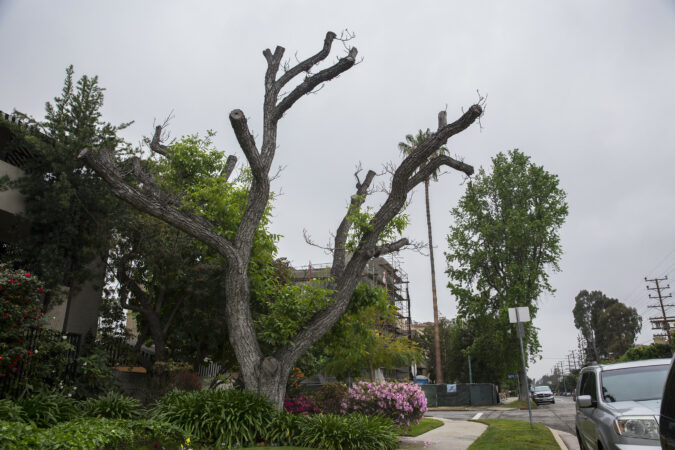
As urban development continues, the integration of tree preservation strategies becomes a key factor in sustainable planning. Hammons Construction LLC advocates for working closely with city planners, architects, and environmentalists to prioritize tree preservation. By adopting practices such as tree surveys before construction, enforcing regulations on tree felling, and planning for green corridors, cities can grow without sacrificing their green heritage.
In conclusion, tree preservation should be a fundamental component of urban development strategies. Trees offer invaluable benefits, from improving air quality and reducing urban heat to enhancing city aesthetics and supporting biodiversity. As cities evolve, they should not come at the expense of the natural environment. By making tree preservation a priority, developers and city planners can create healthier, more sustainable urban spaces that enhance the quality of life for all residents. Hammons Construction LLC stands ready to support these efforts, offering expert guidance and services in tree management and preservation. Together, we can ensure that our urban areas continue to thrive alongside nature.
/filters:no_upscale()/filters:format(webp)/media/c9b508b2-2a90-4454-8517-e6798ab4045e.jpeg)